Managing a multi-property portfolio comes with a lot of responsibilities—and one of the most important ones is roof maintenance. Roofs are one of the more expensive parts of any building (especially large, multi-family or commercial properties), so failing to take care of them can result in costly replacements or repairs that take you way over budget.
That’s why having a proactive maintenance plan is so important! By knowing how to effectively manage maintenance for multiple properties, you can extend your roofs’ lifespans, protect your investment, and keep your properties protected.
Key Takeaways
-
- Managing multi-property roof maintenance involves lots of proactive planning.
- Always start by documenting the current conditions of your roofs—this will serve as a baseline you reference over time.
- Schedule inspections twice a year, and join a maintenance program through a reliable roofing contractor. The routine upkeep will prevent costly damage.
- Build a budget for forecasted future replacements and always have a roofing emergency protocol ready.
Why Is It Important to Have a Plan for Multi-Property Roof Maintenance?
- Saves repair costs: Small repairs, like missing shingles, are relatively inexpensive to repair. However, if you ignore (or fail to catch) these small repairs, the damage can worsen into a more expensive fix.
- Protects the rest of the property: Damage doesn’t only affect the roof. A water leak, for example, can also harm the ceilings, electrical systems, flooring, or inventory. Protecting your roof also means protecting everything underneath it.
- Keeps warranties intact: Many roof warranties require you to show proof of regular maintenance. If you can’t, the warranty may be voided, leaving you to pay for repairs out of pocket.
- Reduces safety and liability risks: Damaged roofs aren’t just expensive—they’re also a hazard. They can lead to structural failure, falling debris, and slip hazards from leaks. Failure to take care of maintenance means you’ll be held liable if someone gets hurt.
- Supports tenant satisfaction (and retention): Leaks and interior water damage can be extremely disruptive to tenants. By staying on top of roof maintenance, you can keep happy tenants for longer. (Remember, roof maintenance costs less than vacancies!)
- Helps you scale your portfolio: You’re not going to have the resources to scale your portfolio if you’re always going over budget on expensive roof repairs that should have been caught sooner.
How to Manage Roof Maintenance for Multiple Properties
1. Document the Current Condition of Each Roof
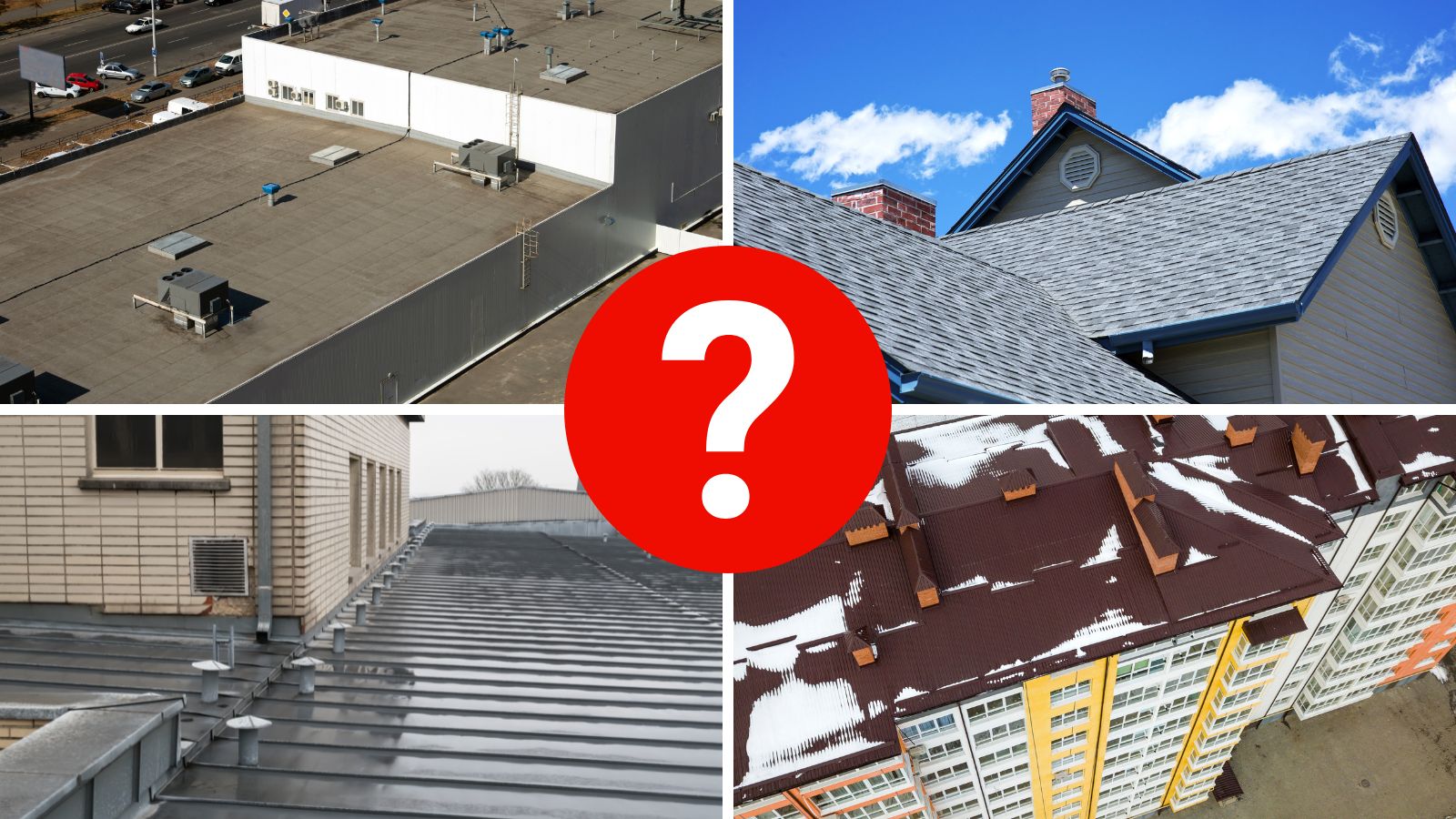
Before planning any maintenance, you’re going to want to document the current condition of all your roofs.
It’s okay if this is your first time doing this—the documentation is going to serve as a “baseline”, meaning that once you know your roofs’ current conditions, you can more easily track whether your roofs have remained undamaged, are slowly deteriorating, or are quickly declining over time.
For each property in your portfolio, document details such as:
-
- The roof type or system
- The roofing material
- Roof access points
- Drainage setup
- Total square footage
- Installation date (or estimated age if unknown)
- Current warranty status
- Any areas of concern
Once all those details are recorded, it may help to assign each roof a “condition score”. Most property managers will do this on a 1 to 100 index, or assign each roof a “good”, “fair”, or “poor” rating. Make sure to update this information regularly.
2. Create a Consistent Inspection Schedule
It’s recommended that you get all your roofs inspected at least twice a year—once in the fall and once in the spring, with additional inspections after major weather events (such as high winds, hail, or heavy snow). Having a consistent schedule will help you to catch problems before they escalate.
Although you may be tempted to just look at your roof yourself, you should leave the in-depth inspections to the professionals. Roofing companies (like Standard Roofing & Restoration) have the tools, experience, and knowledge to recognize the early signs of issues.
3. Join a Maintenance Program
Most major roof problems start small—like a punctured roof membrane that lets in enough rainwater to cause extensive structural damage. That’s why maintenance programs are so important; they encourage you to stay on top of small repairs and prevent them from worsening.
Examples of preventative roof maintenance services may include:
-
- Flashing and sealant inspection: Sealing loose flashing around chimneys, vents, or skylights.
- Surface maintenance: Removing moss, mold, or debris from the roof surface.
- Ventilation checks: Ensuring vents are clear of debris and airflow isn’t inhibited.
- Gutter and drain cleaning: Clearing leaves, sticks, and other debris from gutters, downspouts, and drains.
- Vegetation management: Trimming overhanging vegetation to prevent damage from rubbing or falling branches.
Most roofing companies offer their own maintenance programs that can be uniquely tailored to meet the needs of your portfolio. For example, if one of your properties has an older, more problematic roof, they can schedule maintenance on that one more often than your properties with newer roofs.
4. Choose One Reliable Roofing Contractor
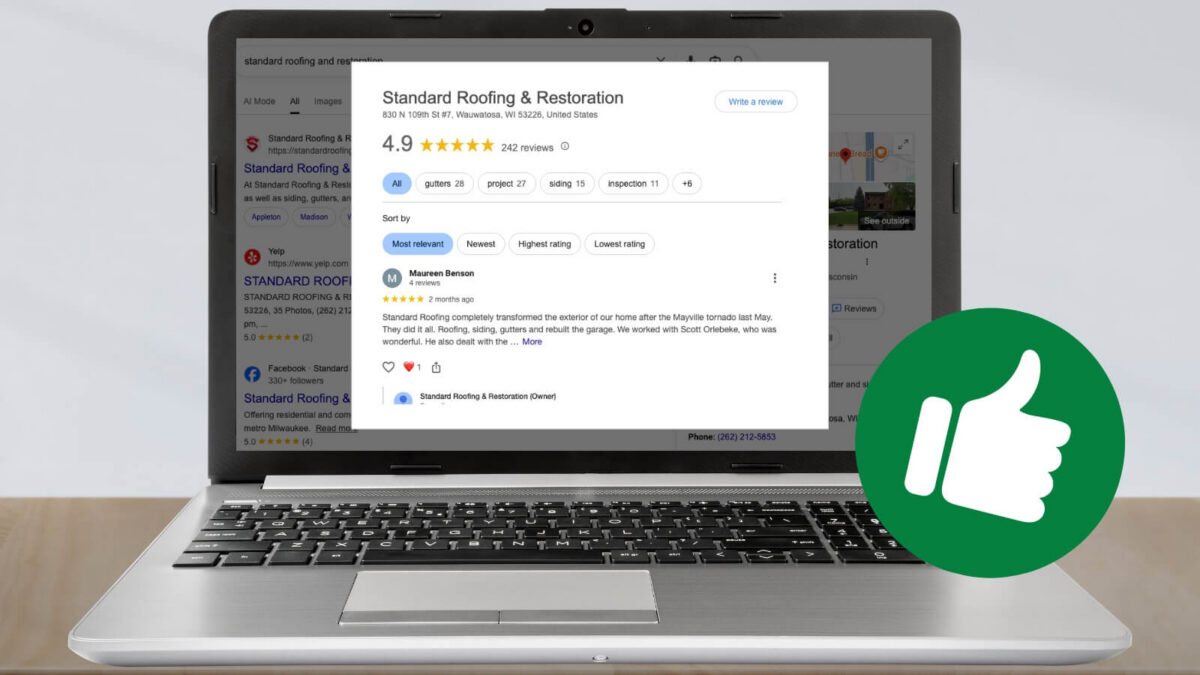
Instead of calling a different roofing contractor each time you need work done, choose one reliable roofing company to consistently partner with. Doing so will allow you to negotiate things like multi-property pricing discounts and average guaranteed response times.
Plus, the longer you work together, the more familiar they’ll become with your properties and roofing systems. They’ll be able to track your roofs’ history, anticipate their needs, and will have an understanding of your budget—which means you won’t have to constantly re-explain everything.
When choosing a roofing partner, pick one with:
-
- Experience with rental properties
- Positive online reviews
- A good business rating
- Proper licensing, insurance, and warranties
- Transparency about pricing
5. Store Your Documents in One Place
Gather up all the inspection reports, photos, repair invoices, warranties, contractor information, and more, and then keep them (and all future ones) in one place. You can use your own management software or a dedicated roof asset platform (like Roof Manager) to consolidate.
Doing so will help you submit insurance claims, recognize recurring problems, and save information in the event of employee turnover. Plus, when you need to actually find something, you won’t have to go digging through multiple emails or accounts—it will all be in one place.
6. Forecast Large Replacements
Although you can never know exactly when a roof replacement is needed, it’s smart to build a replacement forecast. Doing this will allow you to begin building capital reserves and strategically stagger replacements over time, as opposed to doing them all at once.
Plan out at least five years (or ten, if you’ve got a larger portfolio) in advance. As a general rule, most commercial (and multifamily residential) roofs are flat roofs, and depending on the materials used, they tend to need replacing every 15 to 40+ years. The chart below shows how long they should last on average:
| Commercial Roof Type | When Will They Need to Be Replaced? |
| Thermoplastic Polyolefin (TPO) | 20-30 years |
| Polyvinyl Chloride (PVC) | 20-30 years |
| Ethylene Propylene Diene Monomer (EPDM) | 25-30 years |
| Built-up Roof (BUR) | 20-30+ years |
| Modified Bitumen | 15-25 years |
| Metal Roofing | 30-40+ years |
Please Note: These numbers will never be 100% accurate. Roof conditions can change rapidly in the event of inclement weather, and they may require a replacement sooner than projected. Other times, a roof may last longer than projected.
7. Create a Roof Damage Response Protocol
If there’s a roofing emergency (such as a bad leak), you want to make sure you have a standard protocol to follow in place. Having one will limit the likelihood of damage worsening, help the problem resolve more quickly, and ensure everyone stays calm.
This protocol should include:
-
- Who to call first (i.e., which roofing company)
- How to protect the residents or inventory
- How to document the damage
- Where supplies are for securing the property (e.g., tarps)
Contact Us
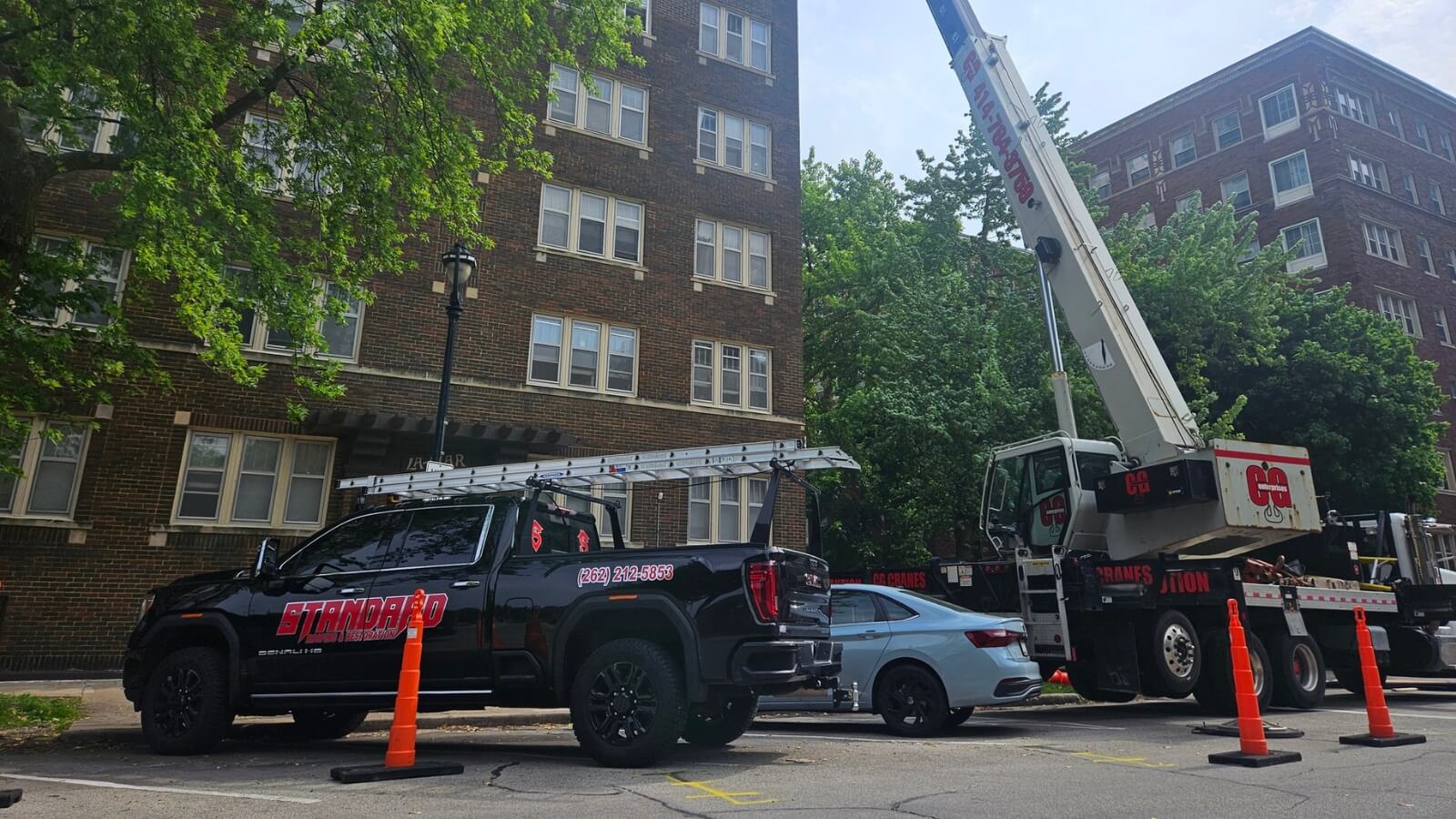
Looking for a roofing partner to help you manage roof maintenance for a multi-property portfolio? Then contact Standard Roofing & Restoration! We have years of experience working with property managers to handle maintenance for multifamily residential properties, large commercial complexes, and much more!