
Roofs represent one of the largest capital expenditures (CapEx) in any property portfolio. After all, they play a crucial role in protecting not only your buildings, but also the occupants, inventory, or equipment in them. Across a multi-property portfolio, the significance of properly maintaining and replacing the roofs only intensifies.
Most people are reactive when it comes to roofing. They wait until a major problem occurs and then schedule a replacement. However, not preparing for issues with your roofing can put a strain on your funds (on top of worsening the issue), especially if several properties are in need of a replacement at once.
Read on to learn the do’s and don’ts for successfully budgeting for roof replacements across a multi-property portfolio.
Key Takeaways
- Budgeting for multi-property roof replacements should be treated proactively, not reactively.
- Plan years ahead by building a comprehensive roofing inventory for your portfolio, assessing each roof’s condition and remaining lifespan.
- Use tracking software when needed, and forecast replacements 5 to 10 years out.
- Start the bidding process at least 12 months before work begins to account for approvals, tenant notice, and permitting.
- This strategy will allow you to build capital reserves instead of draining your budget with unplanned costs.
How to Budget for Multiple Roof Replacements
1. Build a Roof Inventory
First and foremost, you’re going to want to document all your roofs. While you probably have your buildings well documented, you’re going to want to take inventory of your roof specifically. After all, you can’t budget for something you don’t know the details about.
For each property in your portfolio, record the:
-
- Roof type or system
- The roofing material
- Total square footage
- Installation date (or estimated age if unknown)
- Current warranty status
- Any areas of concern
If this information is hard to gather, consider scheduling a professional inspection. They’ll be able to provide you with a detailed report outlining the roof’s condition, often with accompanying photographs and videos.
Remember: Once you build the roofing inventory, don’t just leave it be. It should be a living document that is periodically updated and reviewed.
2. Consider Using Tracking Software

Depending on the size of your portfolio, keeping track of details as minute as roofing conditions can seem overwhelming. Luckily, you don’t have to stick with the usual spreadsheets. There are plenty of digital platforms (such as Buildium, Yardi, and Facilio) that help provide visibility into roof conditions, expected lifecycle, and capital planning.
They can track things like:
-
- Roof damage patterns
- Tenant impacts (i.e., schedule replacements during lease expiries)
- Contractors involved
- Expected costs
3. Assess Roof Conditions & Remaining Lifespans
Once you have a detailed and complete inventory, it’s time to assess the current condition of each roof. You want to try to get an estimate of its remaining lifespan, accounting for factors such as the roof type, age, the quality of the original installation, maintenance history, local climate factors, and the current condition.
As a general rule, most commercial (and multifamily residential) roofs are flat roofs. Depending on the material type, they tend to follow these lifespan timelines:
| Commercial Roof Type | Expected Lifespan |
| Thermoplastic Polyolefin (TPO) | 20-30 years |
| Polyvinyl Chloride (PVC) | 20-30 years |
| Ethylene Propylene Diene Monomer (EPDM) | 25-30 years |
| Built-up Roof (BUR) | 20-30+ years |
| Modified Bitumen | 15-25 years |
| Metal Roofing | 30-40+ years |
Knowing where your roofs are in their lifespan will help you forecast your budget. When you’re assessing each roof in your portfolio, try to lump them into these three categories:
- Good condition with substantial remaining lifespan
- Okay condition with some remaining lifespan
- Poor condition and nearing the end of lifespan (in need of a replacement)
4. Create a Forecasted Replacement Timeline
Now that you have a better idea of the roof conditions and remaining lifespans of the properties in your portfolio, it’s time to build a replacement forecast. Plan out at least five years (or ten, if you’ve got a larger portfolio). Determine which properties are going to require a full or partial replacement in each year.
Doing this will allow you to begin building capital reserves and strategically plan for replacements across several years, as opposed to spending large, concentrated amounts.
Remember: This timeline will never be 100% accurate. Roof conditions can change rapidly in the event of inclement weather, and they may require a replacement sooner than projected. Other times, a roof may last longer than projected.
5. Give Yourself Enough Time to Run a Competitive Bid Process
While a residential roof replacement can be completed anywhere from 4 to 8 weeks, the process for a commercial or multifamily property will take a lot longer. It may seem extreme, but it’s suggested you start 12 months before you’d like the work to begin. That’s because you’ll want to:
-
- Bid on multiple contractors*
- Work around board or ownership approval cycles
- Provide tenant notice (often 60 to 90 days)
- Prepare for wait times for high-volume orders
- Get permits for large-scale or multiple buildings
*When issuing your request for proposal (RFP), prioritize contractors that have experience on large commercial buildings and multi-family properties. Standard Roofing & Restoration, for example, has years of experience partnering with property managers who oversee residential and commercial multi-property portfolios.
Budgeting Mistakes to Avoid
It’s easy to fall victim to certain pitfalls when budgeting for roof replacements across a multi-property portfolio. Try to avoid these common mistakes:
-
- Budgeting the same amount for every roof: Even if you have two roofs that are the same size and made of the same material, that doesn’t mean they’ll cost the same to replace. One roof can have underlying problems that make a replacement more expensive than the other. (That’s why inspections are so important for budgeting!)
- Failing to prepare the capital in advance: Roof replacements should not be treated as a shock. They should be considered a predictable expenditure and budgeted for accordingly. Failing to do so can cause you to derail your budget and overspend.
- Underfunding maintenance & inspections: Oftentimes, a roof in good condition can quickly deteriorate if not properly maintained. Make sure to account for yearly maintenance services and inspections in your roofing budget. It may seem like a hassle, but catching problems early, before they have a chance to worsen, can significantly expand the lifespan of your roof and delay replacements.
- Not revisiting the roofing budget after bad weather: In the unfortunate event of severe hail, rain, or snow, you’ll want to schedule inspections. Depending on the results, you may need to change the budget if the condition of the roofs changed.
- Not establishing contractor relationships until there’s an emergency: If you wait to reach out to a contractor until there’s an emergency, they may try to take advantage of your urgency. Having a trusted roofing partner means they will understand your portfolio’s roofing history, can respond faster, and will charge more fairly.
Need a Trusted Partner for Roof Replacements?
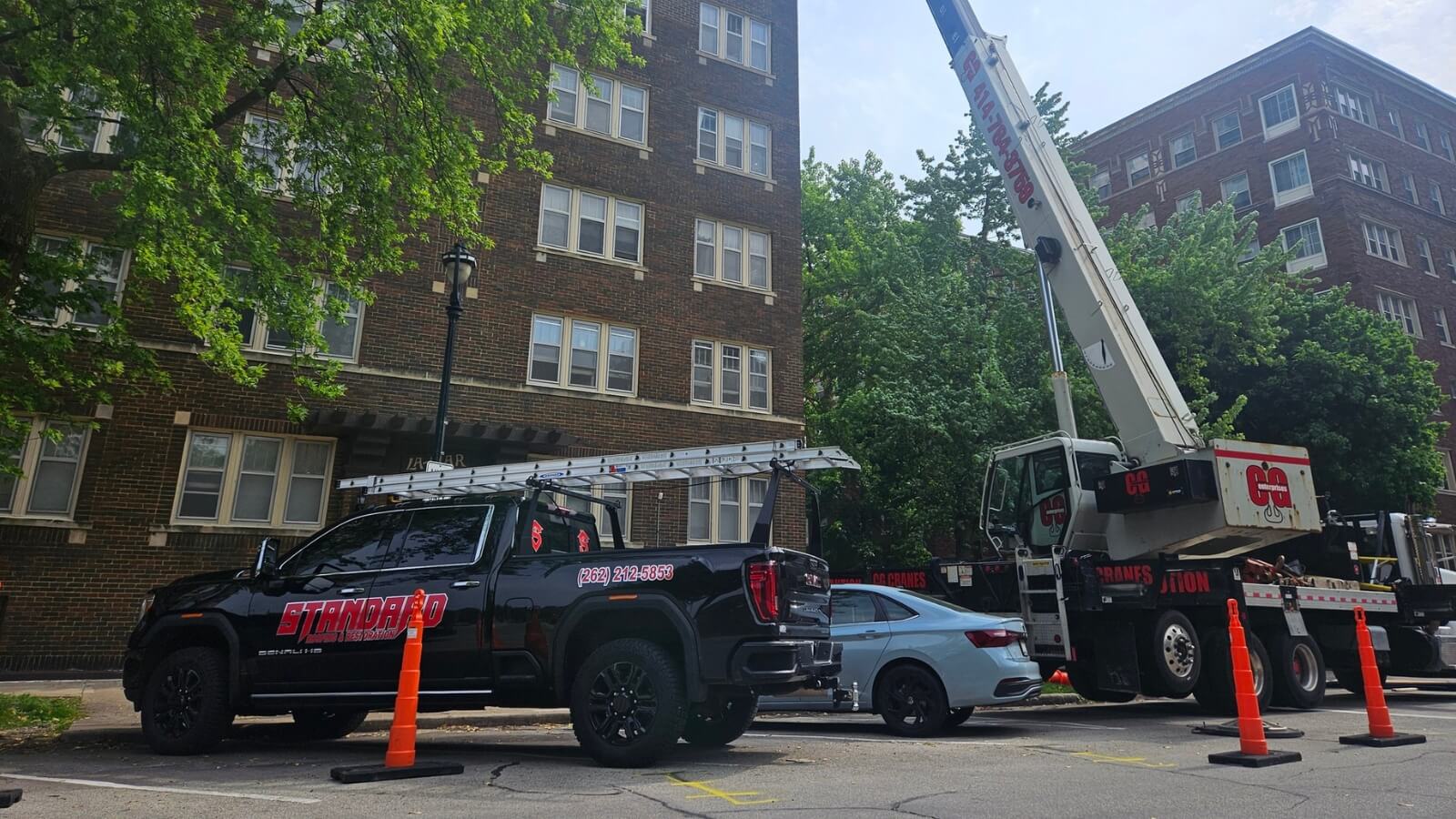
At Standard Roofing & Restoration, we have years of experience working with property managers and property management companies. We’ve replaced roofs on multifamily residential properties, large commercial complexes, and much more!
If you’re looking for a trusted partner to handle roof replacements across your portfolio, then contact us today for more information or to get a free estimate.