
Fall and winter are right around the corner, which means animals are going to be looking for a cozy spot to call home. Don’t let your roof be the place they decide to nest! Animal infestations can result in costly damages, and in extreme cases, may even pose health risks to you and your family. Read on to learn how to keep your roof secure and pest-free.
How Do Animals Get Into My Roof?
You may think that your roof is safeguarded from animals, but even the smallest of holes can make it easy for them to get inside. Oftentimes, animals can gain access through:
- Missing or damaged shingles
- Poorly sealed vents
- Gaps in the roof’s eaves or soffits
- Holes in the siding
- Loose fascia boards
- Open or uncapped chimneys
What Types of Animals Can Get Into My Roof?
As the weather gets colder, animals are going to be looking for a warm place to build a nest. Unfortunately, your roof and attic are the perfect place for them to hunker down. In the Midwest, you’re most likely to find these types of animals:
- Raccoons: Their strong paws and sharp claws tear through shingles, vents, and decking to create entry points. Once in, they’ll damage insulation and chew wires as they nest.
- Squirrels: Due to their size, it’s easier for them to enter your roof—they only need 1.5 inches of space to get inside. They then chip wood and rip up insulation to create nests.
- Bats & birds: Bats and birds can fly right up to your roof and find their way inside. Bats in particular are extremely parasitic and attract mites, while the acidity of bird droppings can corrode roofing materials.
- Rats & mice: Rats and mice will chew through everything—wooden support beams, fascia boards, shingles, fiberglass, and insulation—weakening the structural integrity of your roof as they find their way inside and build nests.
How to Keep Animals Out of Your Roof
1. Trim Nearby Tree Branches
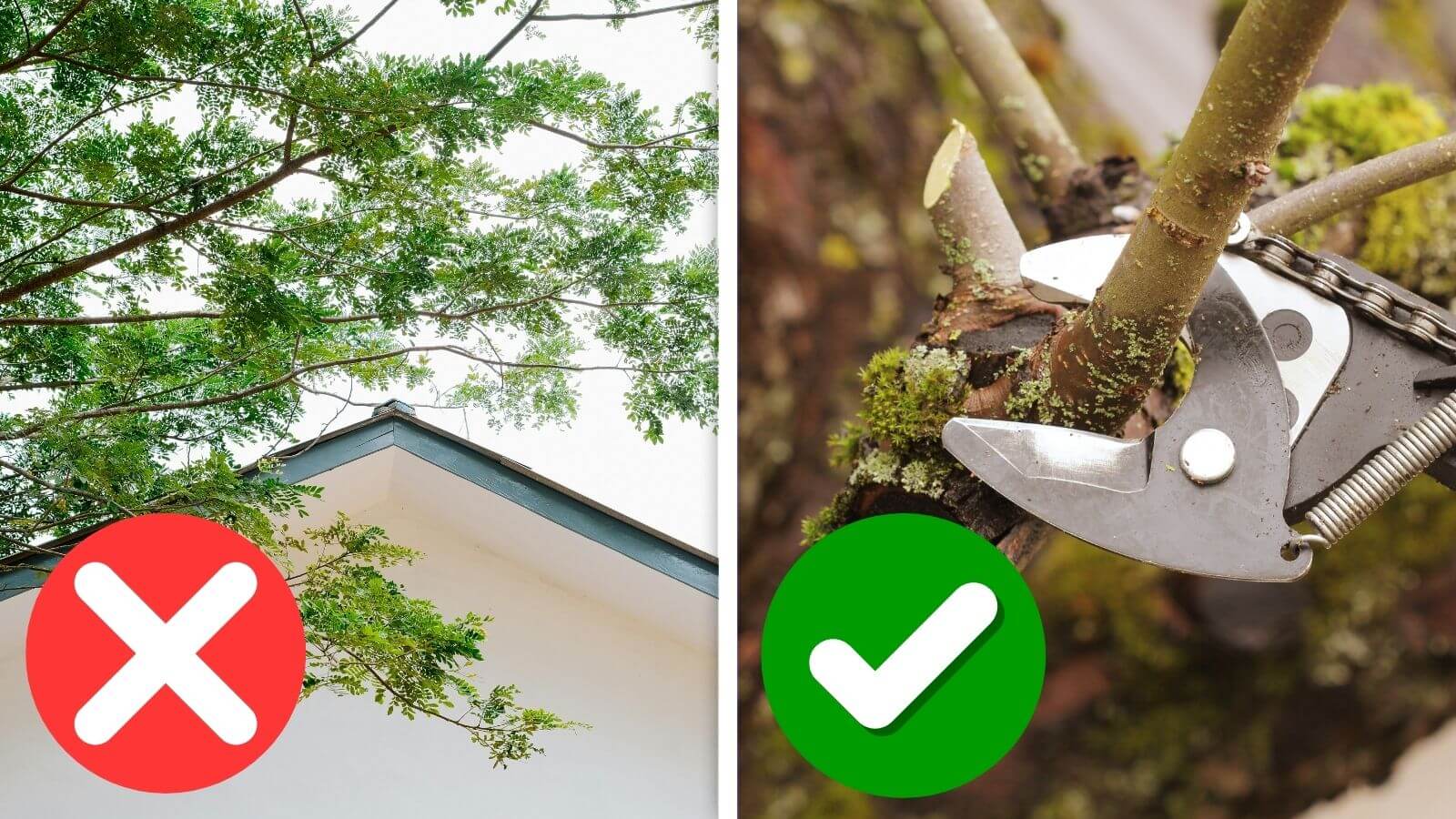
Animals, especially squirrels and raccoons, use overhanging branches to get easy access to your roof. Walk around the perimeter of your roof and determine which ones you’d like to cut. (Squirrels can jump 10 to 20 feet from a tree branch, so remember to take that into consideration.)
There may be some branches you can remove yourself—others will likely require the help of a professional. When you figure out what you’d like to take down, try to cut the branches closer to the trunk, as opposed to halfway down the branch. (It’s actually healthier for the tree and can promote better healing.)
2. Clean Gutters
As your gutters fill with debris, leaves, and twigs, animals may see this as an opportunity to build a nest. Once they’ve settled into your gutters, there’s a high likelihood they’ll find their way inside your roof—especially once the weather gets colder.
We recommend clearing your gutters at least twice yearly, after spring and before winter. (Although more than that is always encouraged.) Consider covering downspouts and getting gutter guards to make cleaning and pest prevention easier.
3. Cover Vents, Chimneys, & Other Entries
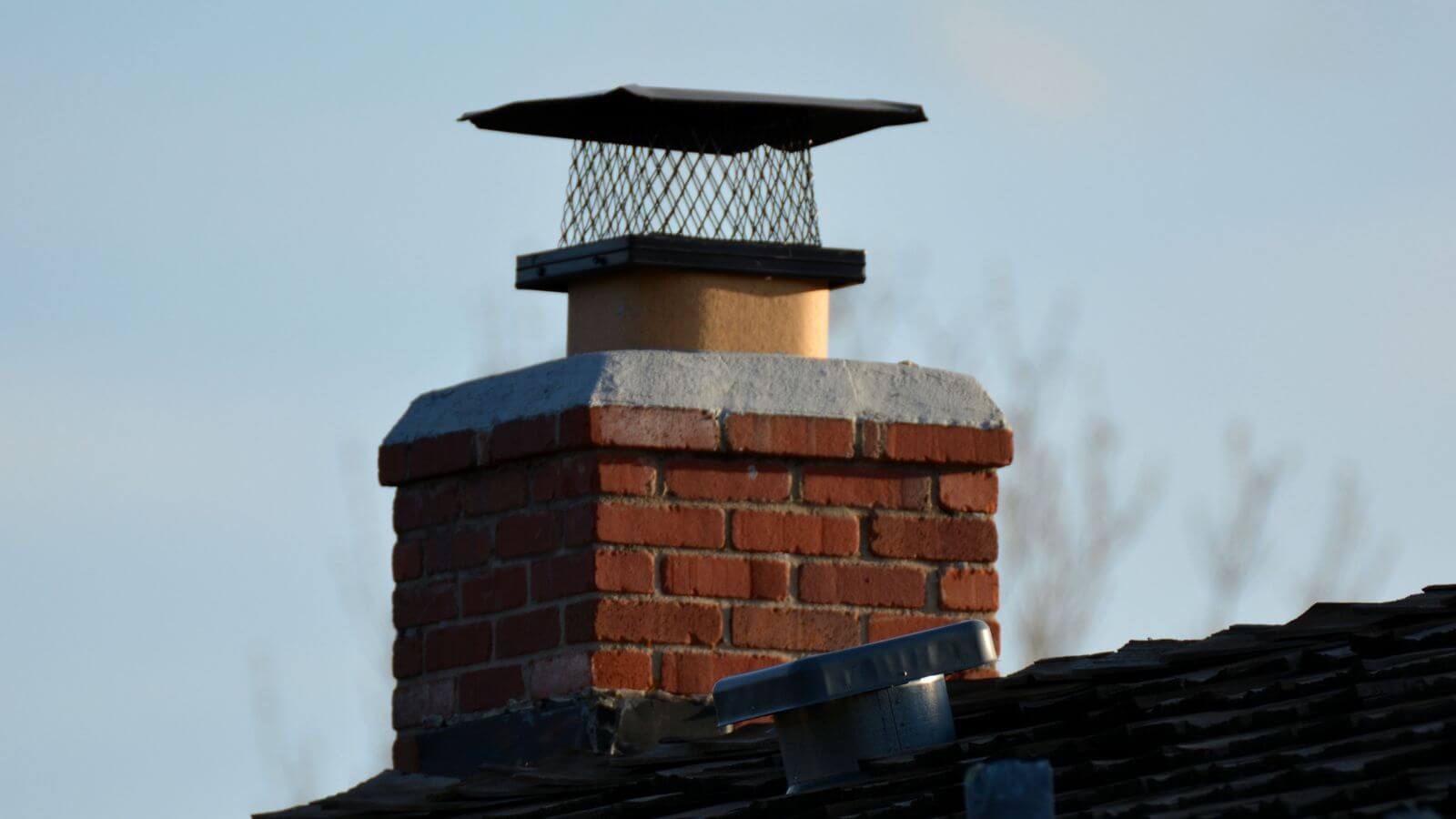
Roof vents and chimneys naturally have openings for air circulation, but this makes it easier for animals to find their way inside. Consider getting covers for these installed—they’re typically made of steel mesh, thereby preventing animals from chewing or clawing their way through while still allowing airflow. (In fact, steel is one of the few materials animals can’t claw through. Rats and mice, for example, can even claw through concrete if it’s improperly cured!)
You’ll also want to cover any holes or cracks, whether they’re at ground or roof level. For tiny gaps, you can use exterior-grade silicone caulk. For larger spots, you can pack the hole with copper or stainless steel mesh, then spray over it with pest-blocking foam. Trim any excess foam and paint over the spot if needed.
4. Remove Food Sources
To stop animals from getting into your roof, make it so that they don’t want to enter your property in the first place. Most of the time, animals are looking for food. Make sure you always close and secure your garbage cans—it may help to buy a wildlife-resistant can, or stretch a bungee cord or ratchet strap over the top so they can’t pry the lids open.
Avoid leaving garbage bags lying around, as squirrels, raccoons, and other animals can easily get through them. If you have a pet and keep their food outside, consider bringing it inside. (Your dog or cat is likely not the only animal eating from it!)
5. Consider Getting a Professional Inspection
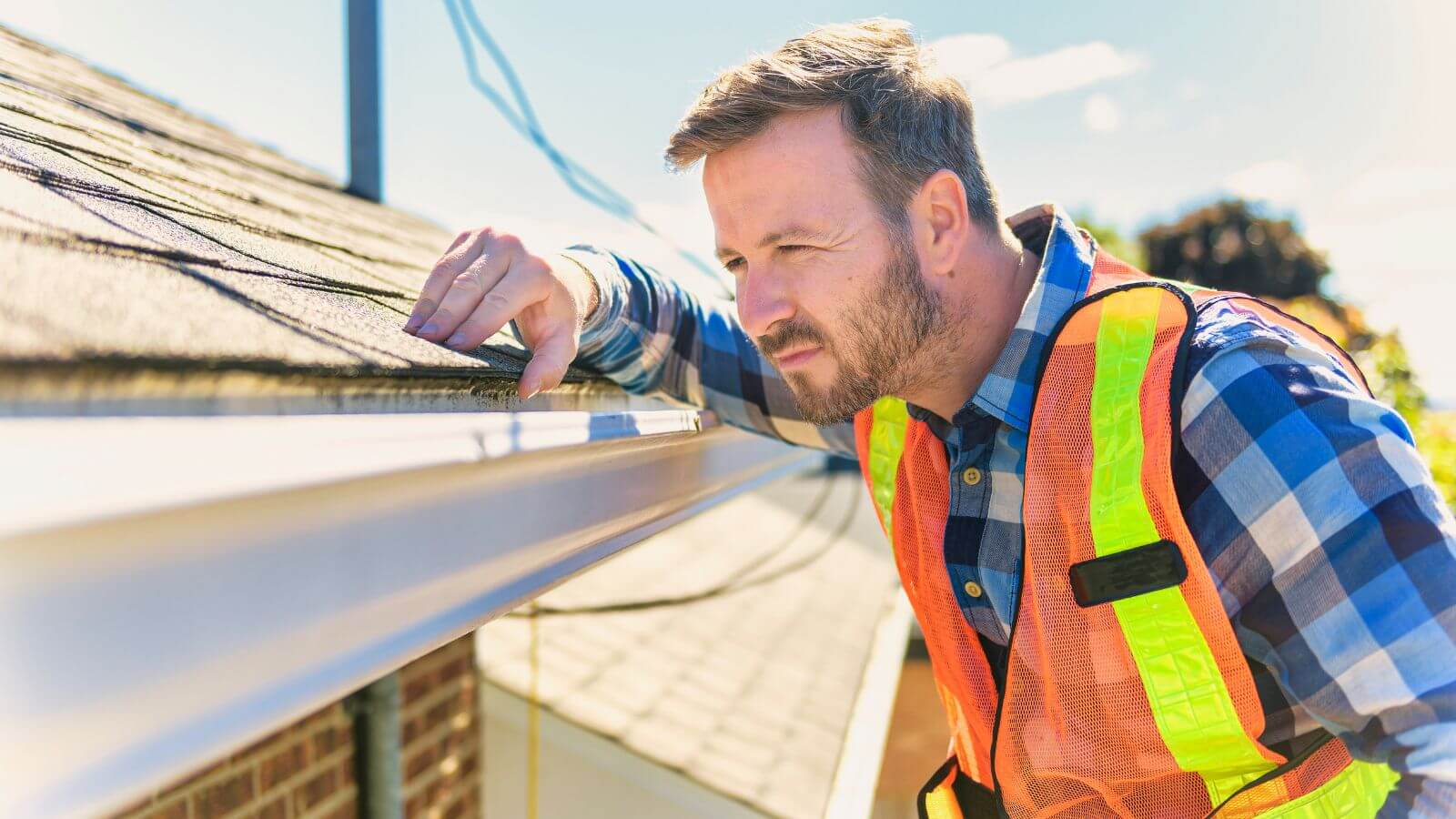
Although it’s tempting to just inspect your roof yourself and look for any holes or entry points for animals, you may want to get a professional inspection. Roofing companies (like Standard Roofing & Restoration) are able to detect small problems that are hidden to the untrained eye.
They’ll use specialized equipment (such as drones, thermal imaging cameras, and inspection mirrors) to check tight or hard-to-see spots. No detail is too small, and once they’ve thoroughly combed over your roof and attic, they can expertly patch up any holes they find to keep you pest-free.
Want to Be Pest-Free? Contact Standard Roofing & Restoration
Do you want to make sure your roof is protected from pests? Then contact Stard Roofing & Restoration for an in-depth inspection. We’ll closely examine your roof to see if there are any holes or weak points that animals will be able to enter through. If we find any problem areas, we’ll expertly patch them up so that only you stay warm this fall and winter—not the critters.